How a Parking Space Rental Agreement Protects Your Rights
A lease contract specifically for renting parking spaces that includes location details, rental rates, usage restrictions, and maintenance responsibilities. This specialized agreement protects both parking space owners and renters by clearly defining access rights, payment terms, and rules for vehicle storage while addressing liability and security concerns.
Published February 13, 2026Updated August 30, 202617 minute read
In this guide
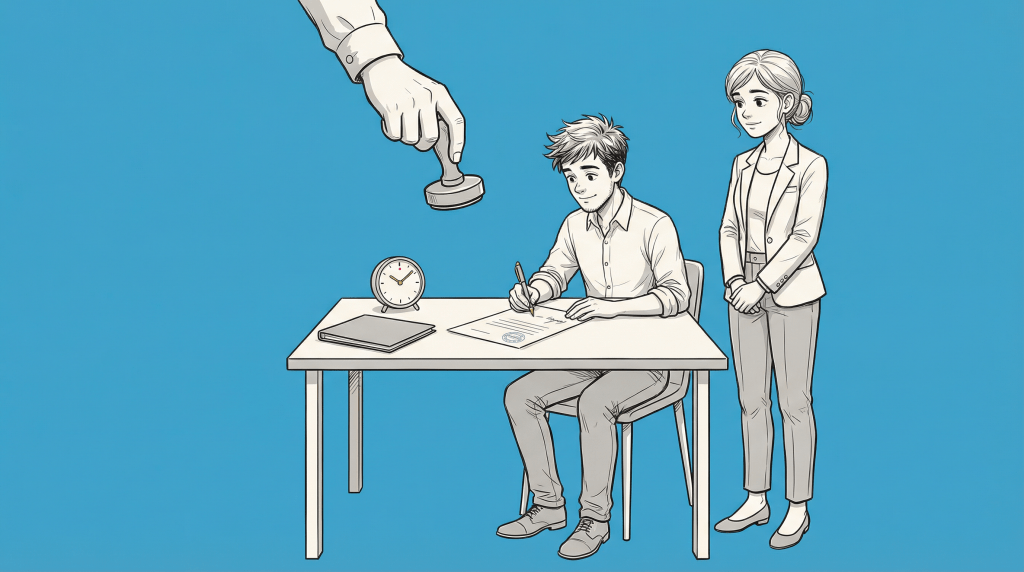
- A parking space rental agreement is a legally binding contract that defines the terms under which a parking space is leased between an owner and a renter.
- Anyone renting or leasing a parking space — residential or commercial — needs a written agreement to protect against disputes, wrongful eviction, and liability.
- Key legal requirements include clearly identifying both parties, describing the space, stating the rental term, and specifying payment and termination conditions.
- Without a written agreement, you have no enforceable record of your rights — leaving you exposed to sudden rent increases, eviction, or unresolved damage claims.
- GO LAW’s free parking space rental agreement template creates a complete, personalized document; use GO Draft to generate your fully customized version in minutes.
A parking space rental agreement is a crucial document that outlines the terms and conditions under which a parking space is leased. When you rent a parking space — whether for a short duration or long-term — this agreement serves as a legally binding contract between you and the property owner. It ensures that both parties understand their rights and obligations, minimizing potential disputes.
Understanding the importance of a parking space rental agreement cannot be overstated. It protects your interests as a renter by clearly defining the parameters of the rental arrangement — including the duration of the lease, payment terms, and any restrictions on the use of the space. Without a solid agreement in place, you may find yourself vulnerable to misunderstandings or even unlawful eviction.
In this article, we will explore the key components of a parking space rental agreement, the legal protections it provides, and practical tips for creating an effective document tailored to your specific needs.
✎ Draft Your Parking Space Rental Agreement in Minutes with GO Draft
GO LAW’s AI-powered document drafter walks you through a simple questionnaire and generates a complete, customized parking space rental agreement — ready to review, sign, and file. No legal jargon, no hourly fees. (Or if you’d prefer, you can speak with an attorney.)
Create My Parking Space Rental Agreement with GO Draft →Key Components of a Comprehensive Parking Space Rental Agreement
A well-structured parking space rental agreement should contain several critical components to ensure clarity and protection for both parties. Some of these key components include:
- Parties Involved: Clearly identify the lessor (property owner) and the lessee (renter) to avoid any confusion.
- Description of the Parking Space: Provide specifics about the parking space, including its location, size, and any distinguishing features.
- Lease Duration: Specify the start and end dates of the lease, along with provisions for renewal or termination.
- Payment Terms: Outline the rental fee, payment schedule, and acceptable payment methods. This section should also cover penalties for late payments.
- Security Deposit: Discuss whether a security deposit is required, its amount, and the conditions for its return.
- Use of the Space: State any restrictions or guidelines regarding how the parking space can be used, including limitations on vehicle types.
By including these components, you create a comprehensive framework that protects your rights and sets clear expectations for both parties.
Legal Protections Offered by a Well-Drafted Agreement
A meticulously drafted parking space rental agreement offers numerous legal protections to you as a renter. One of the primary benefits is that it provides a clear record of your rights, reducing ambiguity in the event of a dispute. This legally binding document can be presented in court if necessary, thereby strengthening your position.
Moreover, a well-structured agreement protects you from unreasonable eviction or changes in rental terms. It establishes the conditions under which the lease can be terminated or modified, ensuring that you cannot be forcibly removed without just cause. This is particularly important in areas where parking is scarce, and losing your space can lead to significant inconvenience.
The agreement can also offer protections against liability. By explicitly stating that the property owner is not responsible for damage to your vehicle or personal belongings, you can avoid unwarranted claims. This provision helps delineate the responsibilities of both parties, providing peace of mind as you utilize the rented space. For related real estate documents, see GO LAW’s guide to lease agreements and tenant rights.
Common Issues Addressed in Parking Space Rental Contracts
When entering into a parking space rental agreement, several common issues should be addressed to prevent misunderstandings. These include:
- Liability for Damage: Determine who is responsible for any damage that occurs to the parking space or vehicles parked within it.
- Access Rights: Specify the hours during which you can access the parking space, especially if it is located in a gated area.
- Subleasing Terms: Discuss whether you are allowed to sublease the parking space, and under what conditions this may be permitted.
- Termination Clauses: Identify conditions under which either party can terminate the agreement, including notice periods and penalties for early termination.
- Dispute Resolution: Include a clause outlining how disputes will be resolved, whether through mediation, arbitration, or litigation.
By addressing these issues in your parking space rental agreement, you can safeguard your rights and minimize the risk of conflict with the property owner.
How to Create a Simple Yet Effective Parking Space Rental Agreement
Creating a simple yet effective parking space rental agreement does not have to be a daunting task. Follow these steps to draft a document that meets your needs:
- Gather Necessary Information: Before drafting, compile all relevant details, including the names of both parties, the specific parking space information, and payment details.
- Use a Template: Consider utilizing a parking space rental agreement template. This can save time and ensure you do not overlook any critical components.
- Draft the Agreement: Write the agreement clearly, using straightforward language. Avoid legal jargon that may confuse either party.
- Review and Revise: Once the draft is complete, review it for accuracy and clarity. Make any necessary revisions to ensure both parties fully understand the terms.
- Sign and Date the Agreement: Both parties should sign and date the document. It’s advisable to have a witness present or to notarize the agreement for additional protection.
By following these steps, you can create a straightforward parking space rental agreement that is both effective and legally enforceable.
Essential Clauses to Include in Your Parking Space Rental Agreement
While drafting your parking space rental agreement, certain clauses are vital for ensuring comprehensive protection. Here are some essential clauses to consider including:
- Indemnification Clause: Protects you from liability arising from accidents or damages that occur on the property.
- Governing Law: Specifies which jurisdiction’s laws will govern the agreement, providing clarity in case of legal disputes.
- Force Majeure: Addresses circumstances beyond control, such as natural disasters, that may impact the ability to fulfill the contract.
- Amendment Clause: Outlines the process for making changes to the agreement, ensuring that modifications are documented and agreed upon by both parties.
- Entire Agreement Clause: States that the written agreement constitutes the entire understanding between the parties, nullifying any prior agreements or discussions.
Incorporating these clauses into your rental agreement can significantly enhance its effectiveness, providing you with robust legal protection.
The Importance of Customization: Tailoring Your Agreement to Specific Needs
One size does not fit all when it comes to parking space rental agreements. Customization is essential to ensure the document meets your specific needs and circumstances. Factors to consider for customization include:
- Type of Vehicle: If you own a larger vehicle, such as an RV or truck, specify this in the agreement to avoid issues related to size restrictions.
- Duration of Rental: Tailor the lease duration to fit your situation, whether it’s for a few months or several years.
- Unique Conditions: Include any unique conditions relevant to the rental space, such as shared access or specific security measures.
By customizing your parking space rental agreement, you ensure it accurately reflects your situation and provides the necessary protections tailored to your circumstances.
Downloadable and Printable Parking Space Rental Agreement Templates
To simplify the process of creating your parking space rental agreement, consider using a downloadable printable parking space rental agreement template. These templates provide a solid foundation from which you can build your agreement while ensuring you include all essential components.
Many online platforms offer customizable templates that cater to various needs. These templates often come in formats that are easy to edit, allowing you to input your specific details. Some even provide guidance on what to include, making the drafting process more accessible. GO LAW’s GO Draft tool goes further — it generates a fully personalized parking space rental agreement based on your specific situation, not just a generic fill-in-the-blank form.
Using a template saves time and effort, allowing you to focus on other important aspects of renting or leasing a parking space.
Reviewing and Negotiating Your Parking Space Rental Agreement
Once you have drafted your parking space rental agreement, it’s crucial to review and negotiate its terms before finalizing it. Here are some tips to keep in mind during this process:
- Read Thoroughly: Ensure you read the entire document carefully. Pay attention to every clause and condition to avoid surprises later.
- Ask Questions: If there are any terms you do not understand, do not hesitate to ask the property owner for clarification.
- Negotiate Terms: If you find any terms unfavorable, engage in a discussion to negotiate better conditions. This could involve payment terms, security deposits, or access rights.
- Seek Legal Advice: If you are unsure about specific clauses, consider consulting a GO LAW attorney to review your agreement. Skilled legal counsel can provide valuable insight and ensure your interests are protected.
By taking the time to review and negotiate your parking space rental agreement carefully, you can ensure that it meets your needs and protects your rights effectively.
Legal Considerations and Local Regulations for Parking Space Rentals
When entering into a parking space rental agreement, it is essential to be aware of any legal considerations and local regulations that may apply. These vary by jurisdiction and can significantly impact your rental experience. Here are some legal aspects to consider:
- Zoning Laws: Familiarize yourself with local zoning laws that may restrict certain types of parking arrangements or usage.
- Residential vs. Commercial Use: Determine whether the parking space is designated for residential or commercial use, as this may influence your rights and obligations under the agreement.
- Insurance Requirements: Some areas may have insurance requirements for leased parking spaces. Ensure you are compliant with any such regulations.
- Tenant Rights: Understand your rights as a tenant under local laws. This includes rights related to eviction, security deposits, and maintenance responsibilities. The U.S. Department of Housing and Urban Development (HUD) offers guidance on tenant rights that may apply in your jurisdiction.
By understanding these legal considerations, you can navigate the complexities of parking space rentals more effectively and safeguard your rights.
Tips for Renters: Ensuring Your Rights Are Protected
To ensure your rights are protected when renting a parking space, consider the following tips:
- Document Everything: Keep a record of all communications with the property owner, including text messages, emails, and verbal conversations. This documentation can be invaluable in case of disputes.
- Inspect the Space: Before signing the agreement, inspect the parking space thoroughly. Take photos and note any existing damage to avoid liability later.
- Clarify Rules: Ensure that the rules regarding usage are clearly stated in the agreement. This includes access rights, vehicle types allowed, and any restrictions on modifications.
- Stay Informed: Regularly check for updates on local laws and regulations that may affect your rental agreement. Staying informed can help you adapt to any changes that may impact your rights.
By implementing these tips, you can protect your interests and enjoy a smoother parking rental experience.
Conclusion: Safeguarding Your Interests with a Solid Parking Space Rental Agreement
A well-crafted parking space rental agreement is essential for safeguarding your rights as a renter. By understanding the components, legal protections, and common issues related to these agreements, you can create a document that protects your interests effectively.
Whether you choose to draft your agreement from scratch or utilize a sample parking space rental agreement as your starting point, the key is to ensure that it is comprehensive and tailored to your specific needs. Don’t underestimate the importance of reviewing and negotiating the terms — doing so will help you avoid potential conflicts in the future.
GO LAW’s AI-powered GO Draft platform guides you through a simple questionnaire and generates a complete, customized parking space rental agreement — free to create, with the option to have a GO LAW attorney review or modify it for your specific use case.
Innovative Parking Space Rental Resources
Beyond GO LAW, there are several platforms and resources that can help with parking space rental agreements and related real estate matters. Here are some of the leading legal-focused tools worth exploring alongside your GO LAW documents:
- FlowSign — AI-powered document signing that makes executing your parking space rental agreement fast, secure, and fully digital.
- HUD Rental Assistance Resources — U.S. Department of Housing and Urban Development guidance on tenant rights, rental assistance programs, and housing regulations.
- USA.gov — Tenant Rights — Official government resource covering state-by-state tenant rights, security deposit rules, and lease obligations.
Note: While these platforms offer useful tools, none substitute for personalized legal advice on complex rental matters. For disputes involving eviction, significant financial loss, or commercial parking arrangements, consulting with a licensed attorney is advisable.
🔍 Already Have a Parking Space Rental Agreement? Have GO LAW Review It.
Use GO Review — GO LAW’s AI-powered contract reviewer — to check your existing parking space rental agreement for missing clauses, unclear termination terms, inadequate liability provisions, or gaps in coverage before you sign. (Or if you’d prefer, you can speak with an attorney.)
Review My Parking Space Rental Agreement with GO Review →Frequently Asked Questions About Parking Space Rental Agreements
Do I need a lawyer to create a parking space rental agreement?
A lawyer is not required to create a valid parking space rental agreement, but legal review is advisable for commercial arrangements, high-value spaces, or complex situations. GO LAW’s GO Draft tool generates a complete, legally sound agreement in minutes — and you can optionally have a GO LAW attorney review it before signing. For straightforward month-to-month arrangements, a well-drafted template is typically sufficient.
What’s the difference between a DIY parking agreement and a template?
A DIY agreement written from scratch can miss critical clauses — such as liability limits, termination procedures, or governing law provisions — leaving both parties exposed. A quality template (or an AI-generated document from GO LAW) ensures all standard clauses are present and provides a structured starting point you can customize. The key difference is reliability: a template built on legal best practices is less likely to have gaps that could cause problems later.
How often should I update or review my parking space rental agreement?
Review your parking space rental agreement whenever any of the following occur:
- The monthly rental rate changes
- Either party’s contact information or legal name changes
- The vehicle covered by the agreement changes
- Access hours, security arrangements, or space location are modified
- Local zoning laws or parking regulations in your area change
- The agreement approaches its expiration date and renewal is being considered
At a minimum, review the agreement annually to ensure it still reflects the current arrangement.
What happens if I don’t have a written parking space rental agreement?
Without a written agreement, you are left without enforceable protections. Potential consequences include:
- No legal record of agreed rental terms or pricing
- Vulnerability to sudden rent increases without notice
- No clear process for disputing damage claims
- No protection against early termination or eviction without cause
- Difficulty proving the existence of the rental arrangement in court
- Unclear liability if your vehicle or belongings are damaged on the property
A written agreement is your primary protection — always get it in writing before using the space.
Can a parking space rental agreement be changed after it’s signed?
Yes — a signed parking space rental agreement can be modified, but both parties must agree to any changes. There are two common approaches:
- Written Amendment — A separate document signed by both parties that identifies the specific clause being changed and its new terms. This is the preferred approach for any material change.
- New Agreement — If multiple changes are needed, it may be cleaner to draft and sign an entirely new agreement that supersedes the prior one.
Verbal modifications are generally unenforceable — always document changes in writing and have both parties sign.
What does a parking space rental agreement cover — and what does it not cover?
A parking space rental agreement typically covers:
- Identity of both parties and the specific parking space
- Rental term, monthly fee, and payment schedule
- Security deposit amount and return conditions
- Permitted vehicle types and usage restrictions
- Access hours, subletting rules, and termination procedures
It generally does not cover: liability for theft (covered separately by auto or renters insurance), damage caused by third parties not under the agreement, or obligations related to the broader property lease if the parking space is ancillary to an apartment or commercial lease.
Is a parking space rental agreement the same as a lease agreement?
Not exactly. A standard lease agreement covers an entire property (apartment, home, or commercial space) and is subject to comprehensive landlord-tenant laws. A parking space rental agreement is a narrower contract focused solely on the right to use a designated parking space. While both are legally binding contracts with similar core components, parking space agreements are generally simpler, are less regulated by state tenant protection statutes, and may not carry the same eviction notice requirements as residential leases. Always check your local laws to understand which protections apply.
Additional Resources
- GO LAW — Draft a Parking Space Rental Agreement with GO Draft — Generate a free, fully customized parking space rental agreement in minutes.
- U.S. Department of Housing and Urban Development — Rental Assistance and Tenant Rights — Federal guidance on tenant rights, rental programs, and housing regulations.
- USA.gov — Tenant Rights by State — State-by-state overview of tenant rights, security deposit rules, and lease obligations.
- Nolo — Parking Rental Agreements Overview — Plain-language explanation of parking rental contract fundamentals from a trusted legal reference source.
- American Bar Association — Real Property, Trust and Estate Law Section — Resources for understanding real property law and finding qualified real estate attorneys.
- U.S. News — Renters’ Rights Guide — Practical guidance on understanding your rights as a renter across different property types.
Last Updated: March 2026