Maximize Your Landscaping Project with a Comprehensive Contract
A service agreement for outdoor property improvement that defines landscaping scope, plant specifications, maintenance requirements, project timeline, and warranty provisions for landscape design and installation. This contract ensures beautiful outdoor spaces while protecting property investments, establishing maintenance expectations, providing plant warranties, and ensuring professional landscaping service delivery and satisfaction.
Published March 3, 2025Updated August 30, 202621 minute read
In this guide
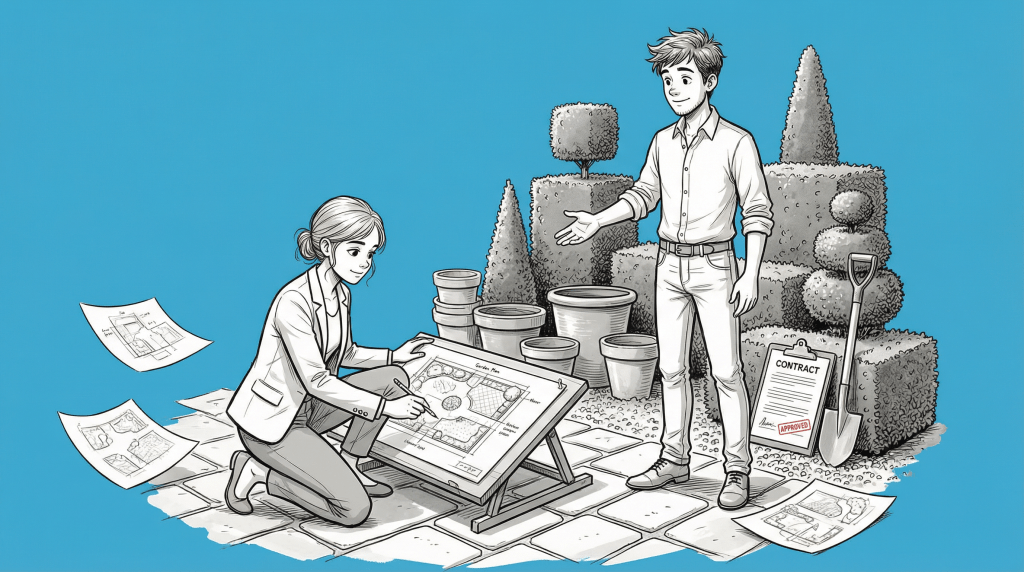
- A landscaping contract is a legally binding agreement that defines the scope of work, timeline, pricing, and responsibilities for any landscaping project — residential or commercial.
- Anyone hiring a landscaper or operating a landscaping business needs a written contract to prevent disputes, protect payments, and establish clear expectations.
- Key legal requirements include written scope of work, signed authorization from both parties, and state-specific licensing or permit compliance.
- Without a written contract, you risk unpaid work, scope creep, property damage liability, and costly legal disputes with no clear resolution path.
- GO LAW’s free landscaping contract template creates a complete, personalized document — use GO Draft to generate your fully customized version in minutes.
Understanding the Importance of a Landscaping Contract
A landscaping contract is a crucial document that serves as the foundation for any successful landscaping project. It outlines the scope of work, timelines, costs, and responsibilities of both the landscaper and the client. By having a well-crafted contract in place, you can avoid misunderstandings, protect your interests, and ensure that your landscaping project runs smoothly from start to finish.
When you embark on a landscaping project — whether it’s a small residential garden makeover or a large commercial property overhaul — a contract provides clarity and peace of mind. It sets clear expectations for both parties involved and helps prevent disputes that may arise during the course of the project. Without a proper contract, you risk miscommunication, unexpected costs, and potential legal issues. GO LAW consistently finds that the most common source of landscaping disputes is a vague or verbal agreement — not the quality of the work itself.
✎ Draft Your Landscaping Contract in Minutes with GO Draft
GO LAW’s AI-powered document drafter walks you through a simple questionnaire and generates a complete, customized landscaping contract — ready to review, sign, and use. No legal jargon, no hourly fees. (Or if you’d prefer, you can speak with an attorney.)
Create My Landscaping Contract with GO Draft →Moreover, a landscaping contract acts as a roadmap for your project. It helps you stay organized and on track, ensuring that all aspects of the job are completed as agreed upon. This level of organization leads to increased efficiency, better time management, and ultimately a more satisfying result for both the client and the landscaper. For ongoing maintenance agreements, a well-drafted contract also establishes recurring service terms, seasonal scope adjustments, and cancellation procedures — elements that are just as important as the initial installation work.
Key Elements of a Comprehensive Landscaping Contract
A well-structured landscaping contract should include several essential elements to ensure it covers all aspects of the project. Here are the key components you should look for:
Detailed Scope of Work: This section should clearly describe the services to be provided, including:
- Specific tasks to be performed
- Materials to be used
- Areas to be landscaped
- Any special requests or unique features
Project Timeline: Outline the expected start and completion dates, as well as any milestones or phases of the project.
Pricing and Payment Terms: Include:
- Total cost of the project
- Payment schedule
- Acceptable payment methods
- Any deposits required
Materials and Equipment: Specify who is responsible for providing materials and equipment, and list any specific brands or types of materials to be used.
Warranties and Guarantees: Detail any warranties on workmanship or materials, including the duration and what is covered.
Insurance and Liability: Clarify the contractor’s insurance coverage and any liability limitations.
Termination Clause: Include conditions under which either party can terminate the contract and any associated penalties.
Change Order Process: Explain how changes to the original scope of work will be handled and approved.
Permits and Compliance: Specify who is responsible for obtaining necessary permits and ensuring compliance with local regulations.
Cleanup and Disposal: Outline expectations for site cleanup and waste disposal throughout the project and upon completion.
By ensuring these elements are included in your landscaping contract, you create a comprehensive document that protects both you and your landscaper throughout the duration of the project.
How to Create a Landscaping Contract Template
Creating a landscaping contract template can save you time and ensure consistency across multiple projects. Here’s a step-by-step guide to help you develop your own template:
Start with a Header: Include space for your company name, logo, contact information, and the date.
Client Information: Create fields for the client’s name, address, phone number, and email.
Project Description: Add a section where you can briefly describe the overall project.
Scope of Work: Develop a detailed checklist or table where you can easily input specific tasks and services for each project.
Timeline: Include a calendar or timeline section where you can mark important dates and milestones.
Pricing Structure: Create a table or itemized list for breaking down costs, including labor, materials, and any additional fees.
Terms and Conditions: Draft standard clauses covering payment terms, warranties, and other legal considerations. Leave room for customization as needed.
Signatures: Allocate space at the bottom for both parties to sign and date the contract.
Remember to leave flexibility within your template to accommodate different types of landscaping projects. You may want to create separate templates for residential and commercial projects, as they often have different requirements and scopes. GO LAW’s GO Draft tool can generate a tailored contract that accounts for these differences automatically.
Analyzing a Landscaping Contract Example
Examining a landscaping contract example can provide valuable insights into how professionals structure their agreements. Let’s break down a typical contract and analyze its components:
Introduction: The example contract begins with a clear statement of the parties involved and the date of the agreement.
Scope of Work: This section provides a detailed description of the landscaping services to be performed, including:
- Lawn care (mowing, edging, fertilizing)
- Plant installation and maintenance
- Hardscaping elements (patios, walkways, retaining walls)
- Irrigation system installation or maintenance
Project Timeline: The contract outlines specific dates for:
- Project commencement
- Key milestones (e.g., completion of hardscaping, plant installation)
- Final project completion
Pricing and Payment: This section includes:
- Total project cost
- Breakdown of costs for materials and labor
- Payment schedule (e.g., 30% deposit, 40% at midpoint, 30% upon completion)
- Accepted payment methods
Materials and Equipment: The contract specifies that the landscaper will provide all necessary tools and equipment, while the client is responsible for purchasing plants and hardscaping materials as per the agreed-upon design.
Warranties and Guarantees: The example includes a one-year warranty on plant materials and a two-year warranty on hardscaping work.
Insurance and Liability: The contract states that the landscaper carries liability insurance and workers’ compensation coverage, protecting the client from potential lawsuits.
Termination Clause: This section outlines conditions under which either party can terminate the contract, including a 30-day notice period and provisions for compensation of work already completed.
By analyzing this landscaping contract example, you can gain a better understanding of how to structure your own agreements and ensure all necessary elements are included. For a ready-to-use version, explore GO LAW’s contract knowledge base for additional templates and guidance.
The Benefits of Using a Sample Landscaping Contract
Utilizing a sample landscaping contract offers numerous advantages for both landscapers and clients. Here are some key benefits:
Time-Saving: A sample contract provides a ready-made structure, saving you the time and effort of creating a contract from scratch.
Comprehensive Coverage: Well-crafted samples typically include all necessary clauses and sections, ensuring you don’t overlook important details.
Legal Protection: Sample contracts often include standard legal language that can help protect your interests in case of disputes.
Professionalism: Using a polished, professional-looking contract enhances your credibility and instills confidence in your clients.
Customization Options: Most sample contracts can be easily modified to suit your specific needs and project requirements.
Consistency: By using a sample as a base, you can maintain consistency across all your contracts, making them easier to manage and review.
Client Education: A well-structured sample contract can help educate clients about the landscaping process and what to expect from the project.
Risk Mitigation: By clearly outlining terms and conditions, a sample contract helps minimize misunderstandings and potential conflicts.
Improved Communication: The process of reviewing and customizing a sample contract can facilitate better communication between you and your clients, ensuring all parties are on the same page.
Cost-Effective: Using a sample contract is often more cost-effective than hiring a lawyer to draft a custom contract for each project.
By leveraging these benefits, you can streamline your contracting process and focus more on delivering exceptional landscaping services to your clients.
Where to Find Free Landscaping Contract Templates
Finding reliable and comprehensive free landscaping contract templates can be a game-changer for your business. Here are some excellent resources where you can access quality templates:
GO LAW’s GO Draft: GO Draft generates a complete, customized landscaping contract in minutes — no legal jargon, no hourly fees.
Professional Associations: Organizations like the National Association of Landscape Professionals (NALP) often provide free or low-cost templates to members.
Small Business Administration (SBA): The SBA website provides various resources for small businesses, including contract templates.
Local Government Websites: Some local government agencies offer free business resources, including contract templates, to support local entrepreneurs.
Online Marketplaces: Websites like Docracy provide user-generated, open-source legal documents, including landscaping contracts.
Industry Forums: Landscaping forums and discussion boards often have sections where professionals share resources, including contract templates.
Software Platforms: Some landscaping business management software includes contract templates as part of their offerings.
Trade Publications: Landscaping magazines or their online platforms may offer free downloads of contract templates to subscribers.
Remember to thoroughly review and customize any template you find to ensure it meets your specific needs and complies with local laws and regulations.
Customizing Your Landscaping Contract for Specific Projects
While using a template can be a great starting point, it’s crucial to customize your landscaping contract for each specific project. Here’s how you can tailor your contract to meet unique project requirements:
Project Scope: Modify the scope of work section to accurately reflect the specific services you’ll be providing. Be as detailed as possible to avoid any misunderstandings.
Timeline Adjustments: Adjust the project timeline to account for factors such as:
- Seasonal considerations
- Client preferences
- Availability of materials
- Complexity of the project
Pricing Structure: Customize the pricing section to reflect:
- Specific materials and their costs
- Labor requirements
- Any unique equipment needed for the project
- Special discounts or package deals
Site-Specific Clauses: Include clauses that address any unique aspects of the property, such as:
- Existing landscaping features to be preserved
- Soil conditions or drainage issues
- Access restrictions or special considerations
Client Responsibilities: Clearly outline any responsibilities the client has, such as:
- Providing access to the property
- Removing personal items from work areas
- Watering newly planted vegetation
Permits and Regulations: Include information about any specific permits required for the project and who is responsible for obtaining them.
Warranties and Guarantees: Adjust warranty terms based on the types of plants or materials used in the project.
Maintenance Plans: If applicable, include details about ongoing maintenance services or recommendations for care after project completion.
Change Order Process: Customize the change order section to reflect your specific process for handling project modifications.
Payment Schedule: Adjust the payment terms to align with the project’s timeline and milestones.
By carefully customizing your contract for each project, you ensure that all parties have a clear understanding of the work to be performed and the terms under which it will be completed.
Legal Considerations in Landscaping Contracts
When drafting or customizing a landscaping contract, it’s essential to be aware of various legal considerations to protect both yourself and your clients. Here are some key legal aspects to keep in mind:
Compliance with Local Laws: Ensure your contract adheres to local, state, and federal regulations governing landscaping businesses. This may include licensing requirements, environmental regulations, and labor laws.
Liability Clauses: Include clear language about liability in case of accidents, property damage, or injuries that may occur during the project. Specify the extent of your insurance coverage and any limitations.
Intellectual Property Rights: If your landscaping design is unique or custom-made, consider including clauses that protect your intellectual property rights.
Dispute Resolution: Include a section outlining how disputes will be resolved, whether through mediation, arbitration, or litigation.
Force Majeure: Include a clause that addresses unforeseen circumstances beyond your control, such as natural disasters or severe weather conditions, that may affect project completion.
Termination Conditions: Clearly state the conditions under which either party can terminate the contract and the consequences of such termination.
Confidentiality: If applicable, include a confidentiality clause to protect sensitive information about the client or the project.
Subcontractor Use: If you plan to use subcontractors, include language that outlines your right to do so and your responsibility for their work.
Warranties and Guarantees: Clearly define the extent and duration of any warranties or guarantees you offer, and specify any conditions that may void them.
Signatures and Dates: Ensure the contract includes spaces for all parties to sign and date the document, making it legally binding.
While these considerations are important, it is always advisable to have a knowledgeable legal professional review your contract to ensure it fully protects your interests and complies with all relevant laws. GO LAW’s attorney network can provide a review tailored to your state and project type.
Common Mistakes to Avoid in Landscaping Contracts
Even experienced landscapers can sometimes make mistakes when drafting contracts. Being aware of these common pitfalls can help you create more effective and protective agreements. Here are some mistakes to avoid:
Vague Language: Using ambiguous terms or unclear descriptions can lead to misunderstandings and disputes. Be specific and detailed in your contract language.
Incomplete Scope of Work: Failing to fully outline all tasks and services can result in scope creep or disagreements about what was included in the original agreement.
Overlooking Material Specifications: Not clearly stating the types, quantities, and qualities of materials to be used can lead to quality issues or budget overruns.
Inadequate Payment Terms: Failing to clearly outline payment schedules, amounts, and acceptable methods can lead to cash flow problems or payment disputes.
Neglecting Change Order Procedures: Without a clear process for handling changes to the original plan, you risk unpaid work or client dissatisfaction.
Omitting Cancellation Clauses: Not including terms for contract cancellation can leave you vulnerable if a client decides to terminate the project prematurely.
Ignoring Local Regulations: Failing to address local zoning laws, permit requirements, or environmental regulations can result in legal issues or project delays.
Underestimating Timeline: Setting unrealistic completion dates without considering potential delays can lead to client frustration and damage to your reputation.
Neglecting Liability Issues: Failing to clearly state your liability coverage and limitations can expose you to unnecessary legal risks.
Forgetting to Update Templates: Using outdated contract templates without reviewing and updating them can leave gaps in your agreement or include irrelevant clauses.
By avoiding these common mistakes, you can create more robust and effective landscaping contracts that protect your interests and foster positive client relationships.
Ensuring Client Satisfaction Through a Well-Crafted Contract
A well-crafted landscaping contract not only protects your business interests but also plays a crucial role in ensuring client satisfaction. Here’s how a comprehensive contract contributes to a positive client experience:
Clear Expectations: By detailing the scope of work, timeline, and deliverables, you set clear expectations from the outset, reducing the likelihood of misunderstandings or disappointment.
Transparent Pricing: A breakdown of costs in the contract helps clients understand what they’re paying for, preventing surprises or disputes over charges.
Communication Framework: Including clauses about regular updates or check-ins establishes a communication framework that keeps clients informed throughout the project.
Quality Assurance: By specifying materials, techniques, and quality standards in the contract, you demonstrate your commitment to delivering high-quality work.
Problem Resolution: Having a clear process for addressing issues or changes gives clients confidence that any problems will be handled professionally.
Timeline Adherence: A well-defined project timeline in the contract helps manage client expectations and demonstrates your commitment to timely completion.
Professionalism: A comprehensive, well-written contract reflects positively on your business, instilling confidence in your professionalism and skill.
After-Service Care: Including details about warranties, maintenance, or follow-up services in the contract shows your commitment to long-term client satisfaction.
Education: The contract can serve as an educational tool, helping clients understand the landscaping process and what to expect at each stage.
Trust Building: By being transparent and thorough in your contract, you build trust with your clients, which can lead to repeat business and referrals.
A satisfied client is more likely to become a repeat customer and recommend your services to others. By using your contract as a tool for client satisfaction, you can build a strong reputation and grow your landscaping business. Ready to create your contract? Use GO Draft — GO LAW’s AI-powered document drafter — to generate a complete, personalized landscaping contract in minutes. If you’d like a GO LAW attorney to review your agreement or tailor it for your specific situation, you’ll have that option after you create your document.
Innovative Landscaping Contract Resources
Beyond GO LAW, there are several platforms and resources that can help with landscaping contracts and related legal documents. Here are some of the leading tools worth exploring alongside your GO LAW documents:
- FlowSign — AI-powered document signing that makes executing your landscaping contracts fast, secure, and fully digital. Ideal for getting client signatures quickly before a project begins.
- U.S. Small Business Administration — Contracts Guide — The SBA’s official guidance on preparing business contracts, including key clauses every service business should know.
- LawHelp.org — A free resource connecting small businesses and individuals to local legal aid organizations and self-help legal tools by state.
Note: While these platforms offer useful tools, none substitute for personalized legal advice on complex landscaping disputes or contract negotiations. For high-value projects, multi-year maintenance agreements, or situations involving property damage claims, consulting with a licensed attorney is advisable.
🔍 Already Have a Landscaping Contract? Have GO LAW Review It.
Use GO Review — GO LAW’s AI-powered contract reviewer — to check your existing landscaping contract for missing clauses, vague scope language, inadequate liability terms, or gaps in payment protections before you sign. (Or if you’d prefer, you can speak with an attorney.)
Review My Landscaping Contract with GO Review →Frequently Asked Questions
Do I need a lawyer to create a landscaping contract?
You are not legally required to hire an attorney to draft a landscaping contract — and for many standard residential projects, a well-crafted template will provide sufficient protection. However, for large commercial projects, multi-year maintenance agreements, or contracts involving significant liability exposure, having a knowledgeable attorney review or customize the document is advisable. GO LAW’s GO Draft tool generates a complete, customized contract without hourly attorney fees, and GO LAW attorneys are available to review the result if needed.
What’s the difference between using a free template and having a contract drafted for my project?
Both approaches can result in a legally valid contract, but there are meaningful differences:
- Free generic template — Provides basic structure but may not address your state’s specific requirements, your project’s unique scope, or unusual site conditions. Requires careful review and customization before use.
- GO Draft customized contract — GO LAW’s AI drafter asks targeted questions about your project and generates a contract tailored to your specific scope, timeline, and payment terms — reducing the risk of gaps that lead to disputes.
For any project over $5,000 or involving significant hardscaping, a customized contract is strongly preferred over a generic template.
How often should I update my landscaping contract template?
Review and update your landscaping contract template when any of the following occur:
- Your state changes contractor licensing or permit requirements
- You add new services to your offerings (e.g., irrigation, lighting, hardscaping)
- You experience a dispute that reveals a gap in your current contract language
- Your insurance coverage or limits change
- You begin operating in a new city or state with different regulations
- More than two years have passed since your last review
What happens if I do landscaping work without a written contract?
Operating without a written contract exposes both the landscaper and the client to significant risks:
- No enforceable record of agreed scope — leading to disputes over what was promised
- Difficulty collecting payment if a client refuses to pay
- No defined process for handling changes, delays, or damage
- Personal liability exposure without documented insurance or liability limitations
- Potential violation of state contractor laws requiring written agreements above certain dollar thresholds
Many states require written contracts for home improvement or landscaping work exceeding a specified dollar amount (often $500–$1,000). Without one, the contractor may be unable to enforce the agreement in court.
Can I modify a landscaping contract after both parties have signed it?
Yes — modifications to a signed contract are handled through a change order, which is a written amendment both parties sign to document the changes. Options include:
- Change Order Form — A separate document referencing the original contract and describing the modification, revised price, and new timeline.
- Contract Amendment — A formal written addendum signed by both parties that supersedes specific provisions of the original contract.
Never agree to scope changes verbally — always document them in writing and get both signatures before proceeding with modified work.
What does a landscaping contract cover — and what doesn’t it cover?
A well-drafted landscaping contract covers:
- Scope of work (specific tasks, materials, areas)
- Pricing, payment schedule, and deposit terms
- Project timeline and milestones
- Warranties on plants and workmanship
- Liability and insurance provisions
- Change order procedures and termination rights
A standard landscaping contract typically does not cover: disputes arising from pre-existing property defects not disclosed by the client, acts of God or extreme weather events (unless a force majeure clause is included), or permit violations caused by inaccurate information provided by the client.
Is a landscaping contract the same as a general contractor agreement?
No — while both are service contracts, a landscaping contract is specifically tailored to outdoor property improvement work, including plant installation, lawn maintenance, hardscaping, and irrigation. A general contractor agreement typically governs broader construction work such as structural building, renovations, or interior improvements. If your landscaping project includes elements like retaining walls over a certain height, drainage systems, or structures requiring building permits, you may need both a landscaping contract and compliance with general contractor licensing rules. For complex projects, review GO LAW’s contract knowledge base or consult an attorney to determine the right document structure.
Additional Resources
- GO LAW — GO Draft: Create Your Landscaping Contract — Generate a complete, customized landscaping contract in minutes using GO LAW’s AI-powered document drafter.
- U.S. Small Business Administration — Guide to Preparing Business Contracts — Official SBA guidance on the key elements every small business service contract should include.
- American Bar Association — Construction & Real Property Law — ABA resources on construction and contractor law, including dispute resolution guidance applicable to landscaping projects.
- National Association of Landscape Professionals (NALP) — Industry association offering contractor resources, licensing guidance, and business best practices for landscape professionals.
- Nolo — Home Improvement Contractor Law Guide — Plain-language guide to contractor licensing requirements, written contract laws, and consumer protections by state.
- Forbes Advisor — Best Landscaping Business Software — Overview of top platforms for managing landscaping contracts, scheduling, invoicing, and client communications.
Last Updated: July 2025