Understanding the Eviction Notice: A Comprehensive Guide for Tenants and Landlords
A legal document that formally notifies tenants of lease violations and potential eviction proceedings, including cure periods, violation descriptions, and legal consequences. This notice protects landlord rights while ensuring tenant due process, complies with eviction laws, provides opportunity for lease violation correction, and serves as required legal documentation for eviction proceedings.
Published March 3, 2025Updated August 30, 202624 minute read
In this guide
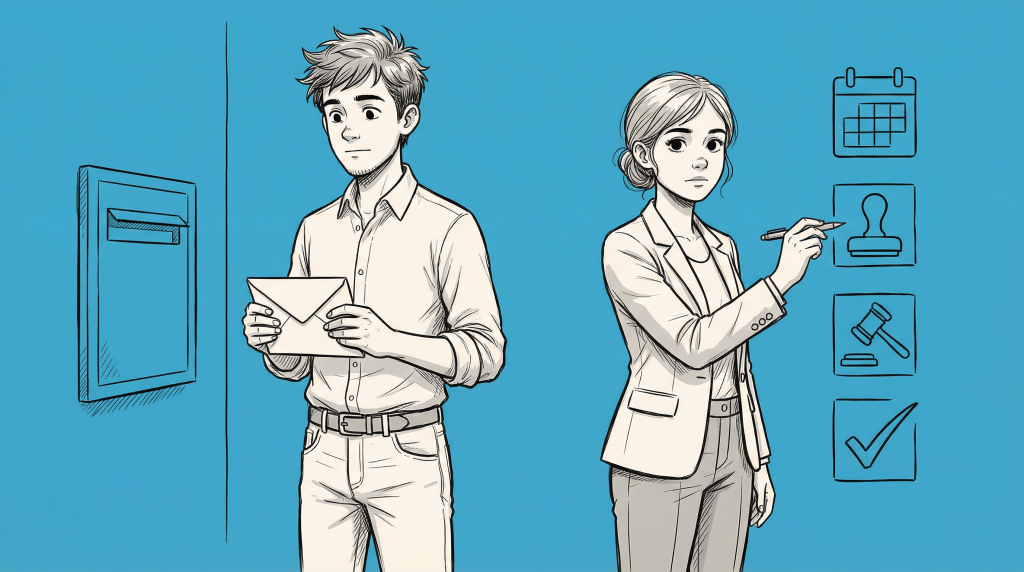
- An eviction notice is a formal legal document a landlord serves to inform a tenant that their tenancy is being terminated — it is the required first step before any court action can begin.
- Both landlords and tenants need to understand eviction notices: landlords must issue them correctly to avoid dismissal in court; tenants must respond within the stated deadline or risk losing their right to contest.
- Notice periods and delivery requirements vary by state — some require as few as 3 days for non-payment; others require 30, 60, or 90 days for no-fault terminations.
- Skipping or improperly serving an eviction notice can void the entire eviction case, costing landlords weeks of additional time and legal fees.
- GO LAW’s free eviction notice template creates a complete, personalized document; use GO Draft to generate your fully customized version in minutes.
An eviction notice is a legal document that a landlord issues to inform a tenant of their intention to terminate their lease and remove them from the rental property. This document serves as the initial step in the eviction process, which can be a complex and emotionally charged procedure for both parties involved. It is important for you, whether you are a tenant or a landlord, to clearly understand what constitutes an eviction notice and the legal implications it carries.
The eviction notice typically outlines the reasons for eviction, which can vary widely — from late rent payments to violations of lease terms. It acts as a formal communication that allows the tenant a specified period to remedy the situation or vacate the premises. Understanding this document is crucial because it establishes the groundwork for any subsequent legal actions that may be taken in court.
Additionally, an eviction notice must adhere to certain legal requirements, which can differ by jurisdiction. Familiarizing yourself with these requirements can help ensure that the notice is valid, as an improperly issued notice may lead to delays or dismissals in court proceedings. If you also need to understand related landlord-tenant documents, GO LAW’s guide to lease agreements and real estate law is a helpful starting point.
Whether you are a first-time landlord issuing your first notice or a tenant who just received one, having the right information — and the right document — can make all the difference. The sections below walk through every aspect of the eviction notice process, from the types of notices available to your legal rights and responsibilities at each stage.
✎ Draft Your Eviction Notice in Minutes with GO Draft
GO LAW’s AI-powered document drafter walks you through a simple questionnaire and generates a complete, customized eviction notice — ready to review, serve, and file. No legal jargon, no hourly fees. (Or if you’d prefer, you can speak with an attorney.)
Create My Eviction Notice with GO Draft →Types of Eviction Notices: From Warning to Final Notice
Eviction notices come in various forms, each serving different purposes depending on the situation at hand. The most common types include:
- Pay Rent or Quit Notice: This notice is issued when a tenant has failed to pay rent on time. It typically provides a specified number of days for the tenant to pay the overdue rent before further action is taken.
- Cure or Quit Notice: This type is used when a tenant violates a lease term other than failure to pay rent. The landlord must specify the violation and give the tenant a chance to correct it within a specified timeframe.
- Unconditional Quit Notice: This is the most severe type of eviction notice. It requires the tenant to vacate the property immediately, often issued for severe lease violations, such as illegal activities or repeated lease breaches.
Understanding the different types of eviction notices can help you navigate the process more effectively. Each notice serves a distinct purpose and follows specific legal protocols. Therefore, knowing which type to issue or respond to can significantly impact the outcome of the eviction process.
Moreover, it is crucial to remember that the language and format of these notices may vary by state or locality. Therefore, you should consult local laws to ensure compliance with all legal requirements when issuing or responding to an eviction notice.
Legal Requirements for a Valid Eviction Notice
To ensure that an eviction notice is legally binding, it must meet specific criteria. These requirements can vary by state, but there are several general guidelines that you should be aware of:
- Clear Reason for Eviction: The notice must clearly state the reason for eviction, whether it’s for non-payment of rent, lease violations, or other justifiable grounds. Lack of clarity could render the notice invalid.
- Proper Delivery: The eviction notice must be delivered in a manner that complies with state laws. This could include personal delivery, certified mail, or posting the notice on the tenant’s door. The method of delivery can affect the timeline for eviction proceedings.
- Specified Timeframe: Most eviction notices must provide the tenant with a specified period to remedy the issue or vacate the property. This period varies by state and the type of notice issued, so it’s essential to confirm local laws.
By ensuring that your eviction notice complies with these legal requirements, you can protect yourself from potential legal repercussions. Failure to adhere to these standards may result in delays in the eviction process or even a dismissal of the case if challenged in court.
Moreover, documenting the entire process of issuing an eviction notice is advisable. Keeping copies of all correspondence and proof of delivery can serve as essential evidence should the situation escalate into court proceedings.
The Anatomy of an Eviction Notice: Key Components
An effective eviction notice is composed of several key components that serve to inform the tenant while also adhering to legal standards. The essential elements include:
- Title: Clearly state that the document is an eviction notice. This title should be prominent to avoid any confusion.
- Date: Include the date the notice is issued. This will establish a timeline for the tenant and any subsequent legal actions.
- Tenant’s Information: Clearly mention the tenant’s name and the rental property address. This ensures that the notice is directed to the correct individual and property.
- Reason for Eviction: Provide a detailed explanation of the reason for the eviction, citing specific lease violations or applicable laws. This section should be factual and concise.
- Timeline for Response: Specify the timeframe within which the tenant must act, whether it’s paying overdue rent or vacating the premises.
Incorporating these components into your eviction notice can help ensure that it is both clear and legally valid. A well-structured notice minimizes ambiguity, which can aid in preventing disputes down the line.
Furthermore, using a clear and professional tone in your eviction notice can convey seriousness while still being respectful. This approach can help maintain a more amicable relationship between you and your tenant, which may be beneficial, especially if future negotiations are necessary.
How to Create an Eviction Notice: Templates and Forms
Creating an eviction notice may seem daunting, but it can be streamlined by using templates and forms specifically designed for this purpose. Here’s how you can create one:
- Choose the Right Template: Many online resources offer free eviction notice templates. Ensure that the template is customizable and compliant with your state’s eviction laws.
- Fill in the Details: Include all the necessary information, such as the tenant’s name, address, reason for eviction, and timeline for response. Be thorough to avoid any potential legal issues.
- Review and Edit: Before finalizing the notice, review it carefully for accuracy and completeness. A well-crafted eviction notice can prevent misunderstandings and strengthen your legal standing.
Utilizing a free eviction notice template can save you time and ensure that you include all essential information. However, always verify the template’s compliance with local laws, as legal requirements can differ significantly between jurisdictions.
Additionally, consider consulting with a legal professional if you are uncertain about any aspect of the eviction notice. GO LAW’s attorney consultation service can provide peace of mind and ensure that you are proceeding correctly.
Free Eviction Notice Resources: Where to Find Them
There are numerous resources available online for obtaining free eviction notices and templates. Here’s a list of places where you can find them:
- Legal Aid Websites: Many nonprofit organizations offer free legal resources, including eviction notice templates. These resources are often tailored to meet the specific laws of your state.
- Government Websites: Local or state housing authorities often provide templates and information regarding eviction notices. These resources are typically reliable and updated to reflect current laws.
- Online Legal Services: Platforms dedicated to legal documents may offer free or low-cost eviction notice templates. These services often include guidance on how to correctly fill out and serve the notice.
Using these resources can simplify the process of creating an eviction notice, ensuring that you have a legally sound document. Always review the template against your specific situation and local laws to confirm its appropriateness.
Moreover, consider keeping a repository of these templates and resources for future use. This practice can save time and effort should you need to issue an eviction notice again.
Common Reasons for Issuing an Eviction Notice
Understanding the common reasons for issuing an eviction notice can help you navigate this sensitive situation more effectively. Some of the most frequent reasons include:
- Non-Payment of Rent: This is the most typical reason landlords issue eviction notices. If a tenant fails to pay rent on time, a landlord may issue a “pay rent or quit” notice, allowing a specified timeframe for payment before further action is taken.
- Lease Violations: Tenants may violate specific terms of the lease, such as unauthorized pets, excessive noise, or subletting the property without permission. A “cure or quit” notice allows tenants to correct these violations before eviction proceedings begin.
- Illegal Activities: Engaging in illegal activities on the rental property, such as drug use or distribution, can lead to an unconditional quit notice, demanding immediate vacating of the premises.
Understanding these reasons can prepare you for either side of the eviction process. If you are a landlord, being aware of the justifiable grounds for eviction can help you take appropriate action. Conversely, if you are a tenant facing an eviction notice, knowing the reasons can help you formulate a defense or remedy the situation.
Furthermore, open communication between landlords and tenants can often resolve issues before they escalate to the point of eviction. If you find yourself in a difficult situation, consider discussing the matter directly with your landlord to explore possible solutions.
Tenant Rights: Responding to an Eviction Notice
As a tenant, it is crucial to understand your rights when faced with an eviction notice. Here are some fundamental rights that you should be aware of:
- Right to a Notice: You have the right to receive proper notice of eviction, which should include the reason for eviction and a specified timeframe for response. If the notice is not delivered correctly, it may be invalid.
- Right to Contest the Eviction: You have the legal right to contest the eviction in court. If you believe the eviction is unjust or the notice was improperly issued, you can file a response or appeal.
- Right to a Fair Process: If your landlord proceeds to court, you have the right to a fair hearing. This includes the opportunity to present your case, provide evidence, and defend your rights.
Understanding these rights can empower you to respond appropriately to an eviction notice. If you believe your rights have been violated, seeking legal assistance can be a valuable step in addressing the situation. GO LAW’s legal help service connects you with attorneys who specialize in landlord-tenant law.
Moreover, documenting all communications and actions taken in response to the eviction notice can serve as essential evidence should the matter proceed to court. Keeping a detailed record can help support your case and clarify the timeline of events.
Landlord Responsibilities in the Eviction Process
As a landlord, you have specific responsibilities during the eviction process that you must adhere to in order to maintain compliance with the law. Key responsibilities include:
- Issuing a Proper Eviction Notice: Ensure that the notice is legally compliant and delivered correctly. Failure to do so can prolong the process or lead to legal repercussions.
- Avoiding Self-Help Evictions: Do not attempt to remove a tenant without proper legal procedures. This includes not changing locks, removing tenant property, or shutting off utilities. Such actions can lead to legal penalties.
- Providing Evidence in Court: If the eviction proceeds to court, be prepared to present evidence supporting your case. This may include lease agreements, documentation of payments, and any correspondence with the tenant.
By fulfilling these responsibilities, you can navigate the eviction process more effectively while minimizing the risk of legal complications. It is also advisable to familiarize yourself with local and state laws regarding eviction procedures to ensure compliance.
Additionally, maintaining professional communication with your tenant throughout the process can help preserve a level of respect and understanding, which may facilitate smoother proceedings.
The Eviction Timeline: From Notice to Court
The eviction timeline can vary significantly depending on various factors, including state laws and the specific circumstances of the situation. However, the general process typically follows these steps:
- Issuing the Eviction Notice: The landlord issues the eviction notice, providing the tenant with a specified timeframe to remedy the situation or vacate the property.
- Tenant’s Response Period: The tenant has a set amount of time to respond to the notice, which may involve paying overdue rent, correcting lease violations, or preparing to contest the eviction in court.
- Filing for Eviction: If the tenant does not comply with the notice, the landlord may file for eviction in the local court. This step often requires specific documentation and adherence to filing deadlines.
- Court Hearing: A court date will be set, where both parties can present their cases. The judge will then make a ruling based on the evidence provided.
- Final Judgment: If the court rules in favor of the landlord, a judgment will be issued, allowing the landlord to proceed with the eviction. The tenant may have a limited time to vacate the property.
Understanding this timeline can help you prepare for each step of the eviction process, whether you are a landlord or a tenant. Additionally, being aware of any potential delays or requirements specific to your location can help you navigate the situation more effectively.
Moreover, it is crucial to remain aware of any changes in local laws that may impact the eviction process. Keeping informed about legal developments can provide you with valuable insights as you move through the proceedings.
Alternatives to Eviction: Exploring Other Options
Before proceeding with an eviction, it is worth considering alternative options that may resolve the situation without legal action. Some alternatives include:
- Negotiation: Open communication between landlords and tenants can often lead to mutually agreeable solutions. Discussing the issues at hand and exploring options, such as payment plans or temporary accommodations, can prevent the need for eviction.
- Mediation: Engaging a neutral third party to mediate the dispute can help facilitate a resolution. Mediation can provide both parties with an opportunity to express their concerns and work towards a compromise.
- Payment Plans: If the tenant is struggling financially but willing to pay overdue rent, establishing a payment plan can help them catch up while keeping them in the rental property.
Exploring these alternatives can save time, money, and emotional stress for both landlords and tenants. It is often in the best interest of both parties to maintain a positive rental relationship, as evictions can have lasting repercussions on credit and future housing options.
Additionally, remaining flexible and open to discussions can help foster a more amicable environment and potentially salvage a working relationship.
Eviction Laws: State-by-State Variations
Eviction laws can vary widely from state to state, making it essential for both landlords and tenants to understand local regulations. Some key areas where laws may differ include:
- Notice Requirements: Each state has specific rules regarding the types of eviction notices required and the timeframe that must be provided to tenants.
- Grounds for Eviction: Certain states may have additional grounds for eviction, or they may restrict the reasons landlords can use to evict tenants.
- Court Procedures: The legal process for filing an eviction and conducting hearings can differ significantly. It is vital to understand your local court’s procedures to navigate the process correctly.
You can find detailed information about eviction laws by consulting state housing authority websites or legal aid organizations. Familiarizing yourself with these regulations can help you avoid costly mistakes and ensure that you are fully compliant with local laws.
Furthermore, staying informed about any changes in legislation regarding eviction procedures can provide you with valuable insights that may affect your situation.
The Impact of COVID-19 on Eviction Notices and Procedures
The COVID-19 pandemic had a profound impact on eviction processes across the United States. Many states implemented temporary moratoriums on evictions to protect tenants facing financial hardships due to the pandemic. These changes led to several important considerations:
- Eviction Moratoriums: Many jurisdictions enacted temporary bans on evictions, affecting both the issuance of notices and court proceedings. Understanding the history and current status of these moratoriums in your area remains relevant for understanding local landlord-tenant law.
- Financial Assistance Programs: Various government programs emerged to assist tenants struggling to pay rent. Landlords should be aware of these resources, as they may still provide opportunities for tenants to access back-payment assistance in some jurisdictions.
- Legal Changes: The pandemic prompted lasting adjustments in eviction laws and procedures in several states, including extended notice periods and requirements for landlords to provide tenants with information about available assistance programs.
Staying informed about these developments is essential for both landlords and tenants. As conditions continue to evolve at the state level, being aware of your rights and resources can help you navigate the complexities of the eviction process.
Best Practices for Landlords: Issuing Fair and Legal Eviction Notices
For landlords, issuing an eviction notice requires careful consideration and adherence to best practices. Here are some essential guidelines to follow:
- Document Everything: Keep detailed records of all communications with tenants, including notices sent, payments received, and any lease violations. This documentation can be invaluable in court proceedings.
- Be Professional and Respectful: While eviction is a serious matter, maintaining a professional tone in your communications can help preserve a level of respect and understanding throughout the process.
- Consult Legal Resources: Before issuing an eviction notice, consider consulting legal resources or attorneys specializing in landlord-tenant law. GO LAW’s attorney network can help ensure compliance with all local regulations and avoid potential pitfalls.
By following these best practices, you can navigate the eviction process more effectively while minimizing the risk of legal complications. Ensuring that your eviction notices are fair, clear, and compliant with the law can help pave the way for a smoother resolution.
Additionally, being proactive in addressing issues before they escalate to eviction can foster a more positive rental relationship and reduce the likelihood of future disputes.
Innovative Eviction Notice Resources
Beyond GO LAW, there are several platforms and resources that can help with eviction notices and landlord-tenant law. Here are some of the leading legal-focused tools worth exploring alongside your GO LAW documents:
- Avail — A comprehensive landlord software platform that includes state-specific lease templates, rent collection tools, and eviction notice workflows tailored to local laws.
- NOLO — Eviction Notices & Procedures Guide — An authoritative legal reference with plain-language explanations of eviction procedures, notice requirements, and tenant rights by state.
- LawHelp.org — A nonprofit legal aid directory connecting tenants and landlords to free or low-cost legal resources and state-specific housing law guides.
- HUD — Rental Assistance & Tenant Rights — The U.S. Department of Housing and Urban Development’s official resource for federal tenant protections, rental assistance programs, and housing dispute guidance.
- TurboTenant — A free landlord platform offering state-specific lease and notice templates, tenant screening, and property management tools useful throughout the eviction process.
Note: While these platforms offer convenient tools, none substitute for personalized legal advice on complex landlord-tenant matters. GO LAW recommends using these resources for general planning and consulting an attorney for contested evictions, habitability disputes, or situations involving potential discrimination claims.
🔍 Already Have an Eviction Notice? Have GO LAW Review It.
Use GO Review — GO LAW’s AI-powered contract reviewer — to check your existing eviction notice for missing required language, improper notice periods, incorrect delivery methods, or gaps in legal compliance before you serve it. (Or if you’d prefer, you can speak with an attorney.)
Review My Eviction Notice with GO Review →Frequently Asked Questions About Eviction Notices
What is an eviction notice and when is it required?
An eviction notice is a formal written document a landlord serves on a tenant to begin the legal process of ending a tenancy. It is required before a landlord can file an eviction lawsuit in court — skipping this step will typically result in the case being dismissed. The notice informs the tenant of the reason for termination and provides a deadline to either remedy the issue or vacate the property.
Do I need a lawyer to issue or respond to an eviction notice?
You are not legally required to hire an attorney for an eviction notice, but having legal guidance can significantly improve your outcome. For landlords, an attorney can ensure the notice is properly drafted and served under your state’s specific rules. For tenants, an attorney can identify defects in the notice or potential defenses. GO LAW offers both AI-powered document tools and access to licensed attorneys to assist both sides.
What’s the difference between using a free template and having an eviction notice professionally drafted?
A free template provides the general structure of an eviction notice but may not reflect the specific legal requirements of your state or city — including required notice periods, mandatory language, or proper delivery methods. A professionally drafted notice (or one generated through GO LAW’s GO Draft tool) is customized to your jurisdiction and situation, reducing the risk of procedural errors that could void the notice and restart the eviction clock.
How often should I update or review my eviction notice process?
You should review your landlord procedures — including notice templates and delivery practices — whenever any of the following occur:
- You move to a new state or acquire property in a new jurisdiction
- Local or state housing laws change (check annually at minimum)
- A tenant contests an eviction and a defect is identified
- You experience a significant change in your tenant base (e.g., Section 8 tenants have additional protections)
- After any major local or federal housing legislation is passed
GO LAW recommends using GO Review to check your existing notices annually for compliance gaps.
What happens if I don’t serve a proper eviction notice?
Failing to serve a valid eviction notice — or serving it incorrectly — has serious consequences:
- The court will dismiss your eviction case, requiring you to restart the entire process
- You may face additional weeks or months of delay while re-serving a corrected notice
- If you attempt a “self-help” eviction (changing locks, removing belongings, cutting utilities), you may face civil liability and significant fines
- In some states, improper eviction attempts can result in the tenant being awarded damages and attorney’s fees
Can an eviction notice be modified or withdrawn after it’s been served?
Yes. A landlord can withdraw an eviction notice if the underlying issue is resolved — for example, if the tenant pays overdue rent in full within the notice period. Options include:
- Withdrawal — The landlord notifies the tenant in writing that the notice is rescinded because the issue has been cured.
- Payment Plan Agreement — The landlord and tenant enter a written agreement allowing the tenant to remain while catching up on owed amounts.
Important exception: Once an eviction case has been filed in court, the landlord typically must formally dismiss the case — not just withdraw the notice — to stop proceedings.
What does an eviction notice cover and what does it not cover?
An eviction notice covers the initiation of the legal termination of a tenancy. It documents the reason for eviction, the applicable lease provision or law violated, and the response deadline. What it does not do:
- It does not physically remove a tenant — only a court order (writ of possession) can authorize that
- It does not resolve disputes over security deposits or property damage — those require separate legal action
- It does not waive the tenant’s right to contest the eviction in court
- It does not guarantee the landlord will win — the tenant may raise valid defenses
Is an eviction notice the same as an eviction?
No. An eviction notice is the first step in the process — it is a written warning that initiates the landlord’s right to pursue eviction. An actual eviction requires a court order. After the notice period expires without compliance, the landlord files an eviction lawsuit (sometimes called an “unlawful detainer” action). Only after the court rules in the landlord’s favor and issues a writ of possession can law enforcement remove the tenant. For more on the full process, see GO LAW’s Real Estate Law knowledge base.
Conclusion: Navigating the Eviction Process Responsibly
Navigating the eviction process can be challenging for both tenants and landlords, but understanding your rights and responsibilities can make the journey smoother. Familiarizing yourself with the different types of eviction notices, legal requirements, and best practices can empower you to handle the situation effectively.
If you find yourself in need of an eviction notice, consider using GO LAW’s GO Draft to create a complete, personalized eviction notice that meets your specific needs. GO LAW’s AI-powered platform guides you through the process and delivers a fully customized document ready to review and serve. If you’d like a GO LAW attorney to review your notice or modify it for your specific circumstances, you’ll have that option after you generate your document.
By taking the time to understand the eviction process and exploring alternatives whenever possible, you can contribute to a fair and responsible approach to resolving landlord-tenant disputes.
Additional Resources
- HUD — Rental Assistance and Tenant Rights — Official U.S. Department of Housing and Urban Development guidance on federal tenant protections, rental assistance, and housing dispute resources.
- USA.gov — Eviction Overview — Federal government overview of the eviction process, tenant rights, and links to state-specific housing resources.
- NOLO — Eviction Law Center — Comprehensive plain-language legal reference covering eviction procedures, tenant defenses, and landlord obligations across all 50 states.
- American Bar Association — Eviction Law Resources for Consumers — ABA’s public education guide to understanding eviction law and finding legal help.
- U.S. News — What to Know About Eviction — Practical guide covering the eviction process, notice requirements, and what tenants and landlords should expect at each stage.
- GO LAW Real Estate Law Knowledge Base — Browse GO LAW’s full library of real estate law guides, lease agreement templates, and landlord-tenant resources.